Liposuction Farmington Hills: What to Expect in the First Week
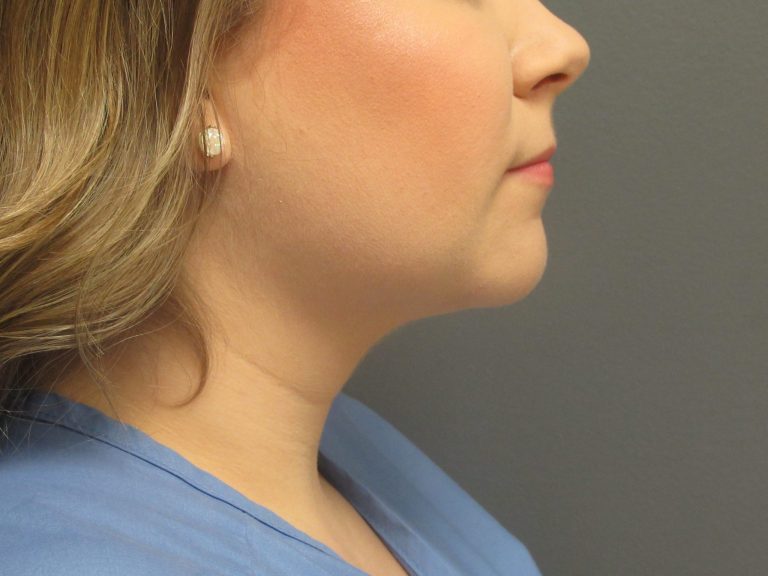
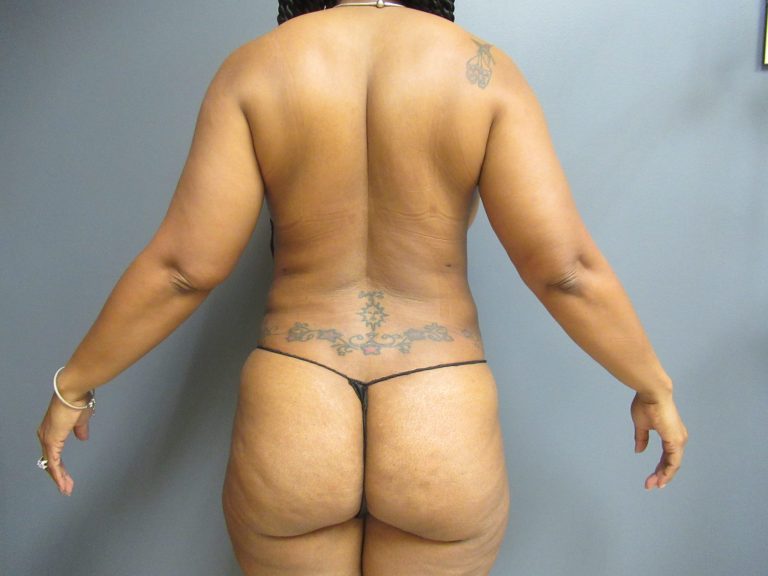
If you are planning liposuction in Farmington Hills, the first week after surgery matters more than most people expect. Patients often spend a great deal of time thinking about the procedure itself, the areas they want treated, and the long-term result. Then surgery day passes, and the real questions begin. How sore is normal? When can you shower? Why does the swelling seem worse on day three than day one? When will you feel like yourself again?
The first week is not glamorous, but it is predictable in broad strokes. Most patients are relieved to learn that recovery is usually less dramatic than they feared, although it can be more inconvenient than they imagined. You may not be in severe pain, but you will likely feel tight, swollen, bruised, tired, and surprisingly stiff when you stand up. That combination catches people off guard.
Liposuction is not a weight-loss operation. It is body contouring surgery, and recovery reflects that. The body has been through a controlled trauma. Fat was removed, tiny incisions were made, fluid shifts occur, and the tissues react with inflammation before they settle. Understanding what that looks and feels like in the first week can lower anxiety and help you recover more smoothly.
The first 24 hours feel strange, not just painful
Right after surgery, most patients describe themselves as sore rather than sharply painful. It often feels like the deep ache you might have after an intense workout, except more diffuse and paired with tenderness. If multiple areas were treated, the sensation can be broad enough that moving from a chair or getting into bed feels awkward.
You may also notice leaking fluid from the incision sites. This is common and often expected. Depending on the technique your surgeon uses, some of the fluid placed during surgery Liposuction Farmington HIlls Aesthetic Plastic Surgery & Laser Center can drain out over the first day or so. That drainage can look alarming if no one prepared you for it. It may be pink-tinged, watery, or lightly blood-stained. Usually, it is not a sign that something is wrong.
Most patients go home the same day, but they do need help. Even highly independent people tend to underestimate how foggy and physically limited they may feel during the first evening. Between anesthesia, compression garments, and soreness, basic movements take more effort. Walking slowly to the bathroom is encouraged. Trying to prove you do not need assistance is not.
One pattern I have seen repeatedly is that patients who rest well on the first evening usually feel steadier by the next morning. Patients who push too hard, whether by climbing stairs repeatedly, trying to answer work emails, or refusing pain medicine because they want to “tough it out,” often end up feeling more depleted than necessary.
Compression garments become part of your routine quickly
If you are having Liposuction Farmington Hills patients are commonly instructed to wear a compression garment after surgery. That garment serves a real purpose. It helps control swelling, supports the treated areas, and can make movement feel more secure. The trade-off is that it can be uncomfortable, especially in the first several days.
Expect the garment to feel snug. It should support you without cutting off circulation or causing severe pinching. Mild indentations from seams can happen. Numbness in nearby skin can also happen, but cold feet, sharply worsening pain, or a garment that feels intolerably tight deserves a call to the surgeon’s office.
The garment also changes the way people perceive their early result. Some patients feel smaller immediately. Others feel puffy and wonder whether anything was achieved at all. That is normal. Compression can flatten one area while swelling distends another. Your shape in the mirror during week one is not the final story.
There is a practical side here too. Getting in and out of a compression garment the first few days can be surprisingly difficult. If you are treating the abdomen, flanks, thighs, or back, even a simple bathroom trip takes planning. Loose clothing helps. So does setting out towels, absorbent pads if recommended, and a chair nearby so you do not have to balance while changing dressings.
Days two and three are often the hardest
Many people assume they will feel worst on the day of surgery. Often, that is not true. Day one can pass in a haze of medication, relief, and fatigue. Days two and three are when swelling builds, bruising darkens, and stiffness becomes more obvious. This is the point when some patients call the office worried that recovery is going backward.
Usually, it is not. Inflammatory swelling tends to peak after the initial procedure, not before it. Bruises that looked faint can become purple or yellow-green over several days. Treated areas may feel firm, lumpy, warm, or oddly numb. The body is reacting exactly as healing tissue tends to react.
This is also when your energy may dip. Even if the procedure was outpatient and you were walking around your house the same day, your body is still healing. Fatigue in the first week is common. A patient may tell me, “I thought I was doing great, then I needed a two-hour nap just from showering.” That is not unusual. Showering, changing a garment, and walking around the house can feel like a full event in the first few days.
Pain is highly individual, but many patients find they transition quickly from prescription pain medication to acetaminophen or whatever their surgeon recommends. Others, especially those with larger-volume treatment or multiple areas, need stronger medication longer. Neither experience is a moral victory or failure. The goal is controlled discomfort, not stoicism.
Swelling is the part that tests patience
The first week after liposuction is dominated by swelling. This is one reason expectations need careful framing. Liposuction removes fat, but your body responds by retaining fluid. You may weigh more a few days after surgery than you did before. Your waist may feel tighter. Your thighs may look uneven. That is not evidence that the procedure did not work.
Swelling behaves differently depending on the treated area. The abdomen can feel bloated and board-like. The flanks may puff above or below the garment line. The inner thighs often swell in a way that changes your gait for a few days. Arms can feel heavy when you lift them. If the neck or chin was treated, the area may feel tight and look fuller before it looks better.
One detail people rarely expect is firmness. Early healing can create areas that feel hard under the skin. This does not mean the fat “came back” or that something was done incorrectly. Tissues become inflamed, and small internal healing changes can create a dense feel before they soften over time.
The timeline for improvement is not linear. One morning you may wake up less puffy, then look more swollen that evening after being on your feet. That fluctuation is common in week one and beyond.
Bruising, drainage, and numbness usually have a normal range
Bruising after liposuction can be modest or dramatic. Some patients barely discolor. Others develop large patches that migrate with gravity. A bruise from the flank can seem to “slide” downward over the week as blood products settle. That visual shift can be unsettling if you were not expecting it.
Drainage, as mentioned earlier, is often front-loaded into the first day or two. It generally decreases steadily. By the middle or end of the week, most patients see much less. Small amounts on dressings can still be normal. Active bleeding that soaks through repeatedly is a different matter and should be reported.
Numbness is another frequent surprise. Areas that were treated may feel dull, tingling, hypersensitive, or oddly disconnected. Nerves do not like being disturbed, even indirectly. Temporary sensory changes are common and often last longer than bruising or soreness. During the first week, though, the main message is simple: strange sensation is common, worsening redness and severe heat are not.
What you can usually do during the first week
Movement is important, but this is not the time for exercise. Short, gentle walks around the house help circulation and can reduce the risk of complications such as blood clots. What many surgeons want to avoid is prolonged bed rest, not all activity. There is a big difference between taking a careful five-minute walk every couple of hours and deciding to “get your steps in” at the mall.
Here is the rhythm that suits most patients well during the first several days:
- Get up regularly for short walks, even if it is only around the room or hallway.
- Drink fluids consistently unless your surgeon has given a different instruction.
- Take medication on schedule rather than waiting until discomfort becomes intense.
- Keep compression garments and dressings exactly as directed.
- Call the office with concerns early, especially for fever, one-sided leg swelling, chest symptoms, or rapidly worsening pain.
That list may sound basic, but the patients who follow those basics tend to recover more comfortably than those who improvise.
Returning to work depends on the type of job and the extent of liposuction. Someone with a desk job who had a small area treated may feel capable of light computer work within several days, sometimes even sooner if they are working from home. A patient with a physically demanding job, or one who had multiple areas addressed, usually needs more time. Sitting for long stretches can also be surprisingly uncomfortable when the abdomen, flanks, or thighs are involved.
Driving is another gray zone that depends on mobility, medication, and safety. If you are taking narcotic pain medication, you should not drive. Even after stopping it, twisting to check traffic or braking suddenly can feel uncomfortable. Practical judgment matters here.
The shower question comes up every single time
Most patients want to shower as soon as possible, partly for hygiene and partly because they feel sticky from prep solution, drainage, and compression garments. The timing depends on your surgeon’s instructions, the type of dressing used, and whether any drains are in place. Some patients can shower within a day or two. Others need to wait longer.
The first shower often feels harder than expected. Removing the garment can make you feel exposed, swollen, and lightheaded. Water hitting sore tissues can be uncomfortable, even if not sharply painful. The best first shower is usually short, warm rather than hot, and done with help nearby if you feel unsteady.
Afterward, many patients say they feel human again. That psychological lift matters. Recovery is physical, but it is also emotional. When you have been sleeping awkwardly, wearing compression around the clock, and seeing your body look bruised and swollen, a simple shower can reset your mood.
Sleep is awkward, and that affects everything
People talk about pain, but they often forget to ask about sleep. Depending on the treated area, your usual sleep position may be off-limits or simply too uncomfortable. Back sleeping is common after abdominal or flank liposuction, even for dedicated side sleepers. Patients with thigh liposuction may struggle to get comfortable no matter how they position themselves.
Poor sleep amplifies everything. Swelling feels worse, patience runs thinner, and normal discomfort feels bigger at 2:00 a.m. Than it does at noon. Creating a recovery setup before surgery pays off. Extra pillows, easy access to water, medication within reach, and a clear path to the bathroom make a real difference.
I have seen patients prepare extensively for the surgery itself and put almost no thought into where they will spend the first three nights. That is backwards. A calm, practical recovery space often matters more than any gadget advertised online.
Appetite, digestion, and bloating can be unexpectedly frustrating
Anesthesia, reduced activity, pain medication, and abdominal swelling all affect digestion. Some patients are hungry the same day. Others have little appetite for 24 to 48 hours. Mild nausea can happen. Constipation is common enough that it should be anticipated, not treated as a surprise.
Bloating deserves special mention because patients often mistake it for surgical failure. If your abdomen was treated, you may feel distended and heavy in the first week. Even if your abdomen was not treated, changes in routine and medication can make your stomach feel unsettled. This usually improves with time, hydration, walking, and whatever bowel regimen your surgeon recommends.
When patients say, “I look puffier than before,” the question is often whether they are looking at fat, swelling, or bloating. In week one, the answer is almost always some combination of the latter two.
The emotional swing is real
Even patients who are very sure about their decision can have a rough emotional patch in the first week. They are sore, sleep-deprived, swollen, and not yet seeing the polished result they imagined. It is a perfect setup for doubt. I have heard versions of the same sentence countless times: “I know it’s early, but did I make a mistake?”
Usually, that feeling passes as discomfort improves and swelling starts to settle. The key is understanding that week one is not a reliable time to judge aesthetics. Your body is in an active healing phase. Looking in the mirror for reassurance every few hours rarely helps. It tends to feed worry.
Support at home matters here. A calm friend or family member who can help with meals, remind you to walk, and reassure you that bruising and swelling are expected often makes recovery easier. The patient who is alone, uncomfortable, and constantly checking photos online is more likely to spiral over normal healing changes.
When normal recovery crosses into a reason to call
Most first-week symptoms fall into the category of expected discomfort. Some do not. Knowing the difference is part of recovering safely after Liposuction Farmington Hills or anywhere else.
Contact your surgeon promptly if you notice any of the following:
- Fever, chills, or redness that is spreading rather than stabilizing.
- Rapidly increasing swelling on one side, especially if it feels tense or sharply painful.
- Shortness of breath, chest pain, or calf swelling, which need urgent attention.
- Drainage that becomes foul-smelling or pus-like.
- Pain that is not controlled by the prescribed plan and is getting worse rather than better.
Patients sometimes hesitate to call because they do not want to seem anxious. Good surgical practices depend on postoperative communication. A quick phone call can clarify whether something is routine or needs to be seen.
The first follow-up visit often brings relief
The early follow-up appointment, often within the first week depending on the practice, reassures many patients. A surgeon or nurse can examine the treated areas, check incisions, review garment fit, and explain what is normal for your stage of healing. Sometimes the most valuable part of that visit is simply hearing, “Yes, this amount of swelling is expected.”
This visit is also a good time to ask practical questions that only seem obvious after surgery. Can the garment be adjusted? Is the firmness normal? When can you return to the gym? Do you need more dressings? Is the bruising pattern typical? Those details matter because recovery happens at home, not in the operating room.
What most people wish they had known before the first week
The main surprise is that recovery is often less about severe pain and more about management. You are managing swelling, garments, sleep, appetite, showering, movement, emotions, and expectations all at once. None of those tasks is complicated by itself. Together, they create a week that feels slower and more effortful than patients often anticipate.
The other surprise is how uneven the timeline can feel. You may have a very good morning followed by a discouraging evening. You may feel almost normal while standing still and then realize getting out of a car is difficult. Improvement comes, but it is not a straight line.
By the end of the first week, many patients are still swollen and bruised, but they are also noticeably more mobile and more confident. They have figured out how to sleep, how to move, and how to manage the garment. The body still has a long way to go, yet the hardest uncertainty usually starts to lift.
That is really what the first week is about. Not seeing the final contour. Not returning instantly to normal life. It is about getting through the noisy, swollen, uncomfortable opening chapter of healing with realistic expectations and good support. When patients understand that from the start, recovery after liposuction feels far less intimidating and much more manageable.
Aesthetic Plastic Surgery & Laser Center, Michelle Hardaway M.D.
27920 Orchard Lake Rd
Farmington Hills, MI 48334
(248) 221-1957
FAQ About Liposuction Farmington Hills
What disqualifies you from getting liposuction in Farmington Hills?
A surgeon may recommend postponing or avoiding liposuction if a health condition, medication, or nicotine use raises the risk of surgery or poor healing. A consultation is needed to assess your medical history and whether the procedure fits your goals.
Can liposuction remove 20 pounds?
Liposuction is a body contouring procedure for localized fat. It is not a weight loss treatment, and a specific number of pounds is not a safe or useful target. The surgeon determines how much can be removed safely for each patient.
What are the risks of liposuction?
Risks include infection, changes in sensation, uneven contours, and complications from anesthesia or blood clots. A plastic surgeon can explain which risks apply to you and what to expect during recovery.