Liposuction Farmington Hills: A Helpful Guide for Local Residents
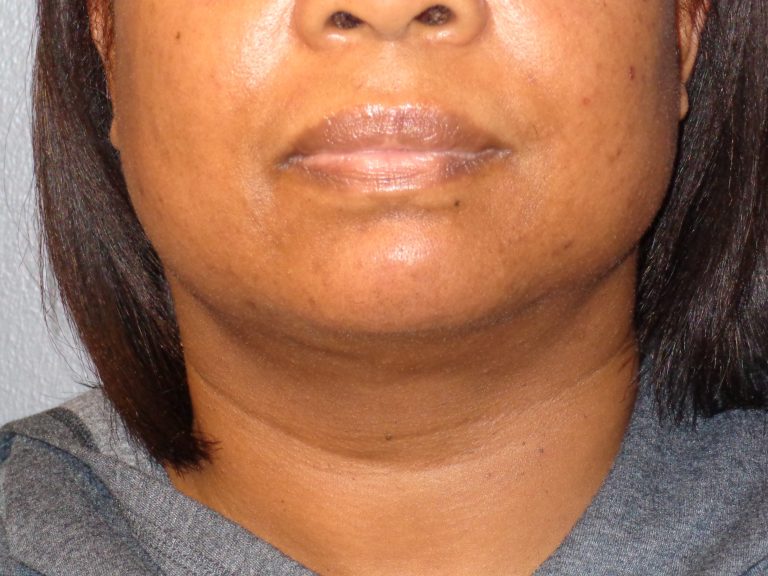
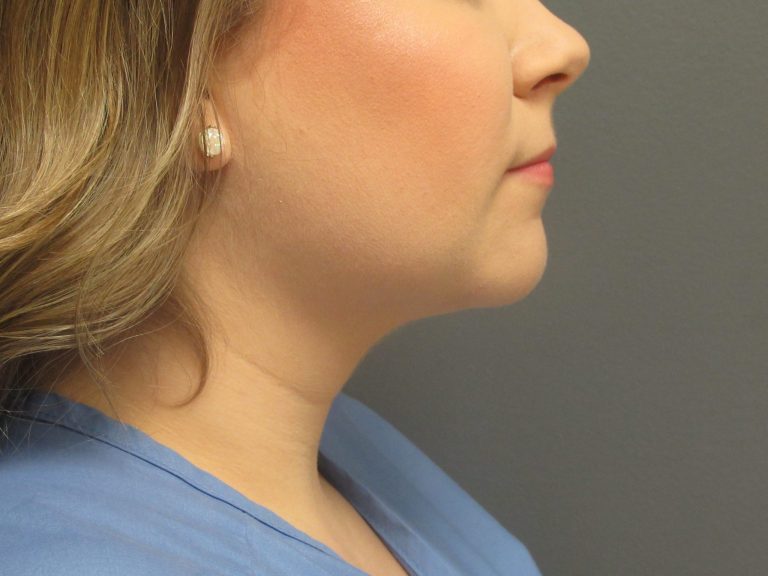
For many people in Farmington Hills, liposuction becomes part of the conversation after months or years of frustration with specific areas that do not respond the way they hoped. The pattern is familiar. Weight may be stable. Exercise is consistent. Clothes fit well in some places and poorly in others. The abdomen, flanks, thighs, upper arms, or under-chin area hold onto fullness that seems stubbornly out of proportion to the rest of the body.
That is usually the right place to begin any honest discussion about liposuction. It is not a substitute for healthy habits, and it is not a treatment for general obesity. It is a body contouring procedure designed to remove localized fat deposits and improve shape. In practice, that distinction matters more than most first-time patients realize. The happiest patients are often not chasing a lower number on the scale. They want their waistline to look more balanced, their jawline to appear cleaner, or their clothing to sit more smoothly.
If you are researching Liposuction Farmington Hills options, it helps to approach the subject with clear expectations, a little patience, and a realistic sense of what recovery entails. A careful decision almost always leads to a better experience than a rushed one.
What liposuction actually changes
The simplest way to think about liposuction is that it changes contour more than it changes overall body size. A person may notice a meaningful improvement in silhouette, even if the scale moves only modestly. That surprises some people at first, especially those who associate any fat removal procedure with dramatic weight loss.
Contour is where liposuction does its best work. The procedure can reduce fullness in the lower abdomen, refine the flank area often called love handles, improve outer or inner thigh shape, slim the upper arms, and define the area beneath the chin. When it is performed well on the right candidate, the result often looks less like “surgery” and more like “that area finally matches the rest of me.”
There are limits, though, and these deserve equal attention. Liposuction does not tighten significantly loose skin. It also does not reliably correct muscle separation after pregnancy, which is a different issue altogether. Someone with moderate to severe skin laxity may need a different procedure, or a combination approach, to achieve the result they are picturing. This is one reason consultations matter so much. The treatment plan has to match the anatomy, not just the wish list.
Why candidacy matters more than trends
Body contouring procedures go through waves of popularity, and techniques get discussed heavily online. Still, the fundamentals do not change. Good candidates tend to have relatively stable weight, pockets of pinchable fat, and skin with enough elasticity to shrink down after fat is removed.
A practical way to think about candidacy is this:
- Your weight has been fairly stable for several months.
- You have one or more specific areas that have not improved despite diet and exercise.
- Your skin quality is reasonably good, without severe laxity.
- You are in good general health and can safely undergo a surgical procedure.
- Your goals are about shape and proportion, not major weight loss.
A surgeon may still consider someone outside that profile, but those points often predict smoother recoveries and better satisfaction. In real practice, expectations often matter as much as anatomy. A patient hoping to look somewhat slimmer in fitted clothing may be an excellent candidate. A patient hoping liposuction will fix every body image concern usually needs a more grounded conversation before proceeding.
Age alone is not the deciding factor. A healthy person in their fifties with good skin elasticity may be a stronger candidate than a younger person with unstable weight or significant laxity. Pregnancy history, prior surgeries, scar patterns, medication use, smoking, and medical conditions all affect planning. There is no reliable substitute for an in-person evaluation.
Common treatment areas for Farmington Hills patients
The most requested areas tend to be the abdomen and flanks, especially among adults who feel their midsection no longer reflects the effort they put into maintaining their weight. Inner and outer thighs are also common, particularly for patients who are comfortable with their overall size but want better leg proportion. The upper arms and submental area beneath the chin often come up for people who want visible change without addressing a larger surface area.
A recurring theme in consultations is asymmetry. One hip may project slightly more than the other. One side of the lower abdomen may bulge differently. Most bodies are not perfectly symmetrical, and liposuction can improve balance, but it cannot make a human body mathematically identical from side to side. A skilled surgeon will usually discuss that early, because patients appreciate honesty more than sales language.
There is also the question of whether multiple areas can be treated at once. Sometimes the answer is yes. Combining areas can create a more harmonious result, but it also changes operative time, cost, swelling, and recovery demands. Treating the abdomen without blending into the flanks, for example, may leave a result that looks less natural than treating both areas together. Those choices depend on safety, anatomy, and priorities.
Techniques you may hear about, and what really matters
Patients often arrive having read about tumescent liposuction, ultrasound-assisted liposuction, laser-assisted systems, power-assisted liposuction, or branded devices promoted online. The names can make the field sound more complicated than it needs to be.
Different technologies can be useful, but the technology is not the whole story. Surgical judgment, patient selection, and the surgeon’s ability to sculpt evenly matter at least as much as the device used. A well-executed traditional or power-assisted approach in experienced hands will generally beat a heavily marketed technology used without nuance.
What you should pay attention to is whether the surgeon explains why a certain technique fits your body, your goals, and your skin quality. If the conversation leans too hard on branding and not enough on anatomy, that is worth noticing. Good consultations tend to sound specific. They address where fat can be removed, how much contour change is realistic, whether skin will contract adequately, and what trade-offs come with treating one area versus several.
The consultation is where the real decision gets made
People sometimes think the consultation is mainly for pricing or scheduling. In reality, it is the most important Liposuction Farmington HIlls part of the process. A productive consultation should feel educational, not rushed. You should leave with a clearer understanding of your options, your likely result, and the recovery you are signing up for.
If you are comparing Liposuction Farmington Hills practices, pay close attention to how the surgeon communicates. Strong surgeons do not promise perfection. They explain what is possible, what is limited, and what they would recommend if you were a family member sitting in the room. That tone is usually a good sign.
The physical examination matters too. Photos can be helpful for general discussion, but contour planning is tactile and three-dimensional. Skin quality, fat thickness, muscle tone, old scars, and posture all influence the plan. Many patients come in focused on one area and leave understanding that a neighboring area affects the final look. That kind of insight often separates a merely acceptable result from a truly balanced one.
Recovery is not usually terrible, but it is rarely effortless
Most people can tolerate liposuction recovery well, but it helps to be honest about the first couple of weeks. You will likely feel sore, swollen, and stiff. The soreness is often described as similar to a deep bruise or an intense post-workout feeling. The discomfort is usually manageable, but it is not nothing.
The early timeline varies by area treated and the amount of fat removed. Many patients who have smaller or moderate-volume liposuction can return to desk work within several days to a week. More extensive cases may need longer. Walking starts early, often the same day, because light movement supports circulation and recovery. Strenuous exercise, heavy lifting, and high-intensity training generally wait longer.
Compression garments are part of the routine for many patients. They help manage swelling and support contour as tissues heal. People often underestimate how long swelling lingers. Some improvement appears fairly quickly, but final refinement can take several months. That can be frustrating, especially for patients who expected a near-instant reveal. Patience is part of the bargain.
Drainage from tiny incision sites can also occur early on, particularly in tumescent techniques. Bruising may look dramatic before it fades. Numbness or firmness in treated areas can persist longer than many patients expect. These are not automatically signs that something is wrong. They are common features of the healing process. The key is knowing what is expected and when to call the office.
What results usually look like over time
One of the more reassuring things about liposuction is that a good result tends to unfold gradually. In the first days, you may not feel especially impressed. You are swollen, you may be wearing compression, and the area can look uneven simply because healing is still in progress. That early stage is not the result.
By several weeks, most people can see a change in outline. Clothing often tells the story before the mirror does. Waistbands sit differently. A blouse may skim rather than cling. Pants may fit through the thighs more comfortably. By a few months, the contour usually looks more defined, though subtle settling can continue beyond that.
The removed fat cells do not simply grow back in the same way, but this does not mean weight gain becomes irrelevant. If you gain weight after liposuction, remaining fat cells can enlarge. The body can still store fat, and the distribution may or may not be exactly what it was before. Patients who maintain stable habits typically preserve their improvement best.
Cost in Farmington Hills, and what drives it
Cost is one of the first practical questions residents ask, and understandably so. Liposuction pricing varies for legitimate reasons. A smaller under-chin treatment is not priced like a multi-area abdominal and flank contouring case. The surgical setting, anesthesia, procedure length, complexity, and aftercare all influence the final figure.
It is Liposuction Farmington HIlls wise to be cautious with bargain shopping. Lower pricing is not automatically a problem, but it deserves scrutiny. What exactly is included? Is anesthesia separate? Are compression garments included? Are follow-up visits included? Is the quote for one area in a way that may not produce the balanced result you want? Patients sometimes discover that a very low initial number grows quickly once the full plan is explained.
The better question is not “Who is cheapest?” but “What am I getting, who is performing the procedure, and how confident do I feel about the plan?” Surgery is one of those purchases where value matters more than sticker shock. Revision procedures are more expensive, emotionally and financially, than careful surgery the first time.
Choosing a surgeon in or near Farmington Hills
Residents looking into Liposuction Farmington Hills providers usually have access to practices not just in Farmington Hills itself, but also nearby communities in Oakland County and the greater metro Detroit area. That can be helpful, because it gives you room to compare approach and fit.
Credentials matter. So does experience with body contouring specifically. A surgeon may be talented overall yet perform relatively little liposuction, while another may do it routinely and have a more refined eye for proportion. You want someone who can explain the nuances of your case in plain language, including whether you are likely to need skin tightening, combination procedures, or staged treatment.
Photos can be useful, but they should be interpreted carefully. Lighting, posture, timing, and body type all affect how impressive a result appears. Look for patients who resemble your build and your concerns rather than the most dramatic transformations. A subtle but elegant result on a body similar to yours is often more informative than a spectacular before-and-after that does not match your starting point.
Office culture matters too. People remember whether they felt heard. They remember whether staff answered questions clearly, whether financing was explained transparently, and whether no one tried to rush them into booking. Those soft factors are not superficial. They often predict how supported you will feel during recovery.
Questions worth asking during your consultation
A good consultation should leave room for direct questions. These are especially useful:
- Am I a strong candidate for liposuction alone, or do I need another procedure for skin laxity?
- Which areas would you treat to create the most balanced result?
- What kind of recovery should I expect based on my job and activity level?
- What risks or limitations apply specifically to my anatomy?
- What is included in the quoted cost, and what could add to it?
Notice whether the answers are thoughtful and individualized. Vague reassurance is rarely as useful as a specific explanation. If a surgeon says, “Your lower abdomen has good fat to remove, but your skin above the navel may not tighten as much as you hope,” that level of detail is often a sign of experience and honesty.
Risks deserve a straightforward discussion
Every surgery carries risk, and liposuction is no exception. The potential issues range from minor to serious. Irregular contour, asymmetry, prolonged swelling, numbness, fluid collections, pigmentation changes, and dissatisfaction with the cosmetic result are among the concerns commonly discussed. More significant surgical and anesthesia-related complications are less common but still part of informed consent.
The point of raising risk is not to alarm people. It is to keep the decision grounded. Cosmetic procedures should be elective, thoughtful, and entered into with full awareness. One of the strongest signs of a reputable practice is that they do not downplay this part of the conversation. They explain what they do to minimize risk and what you can do, as a patient, to support a safe recovery.
Smoking, nicotine exposure, uncontrolled medical conditions, and poor follow-through on aftercare instructions can all make recovery harder. So can unrealistic timing. If you are trying to squeeze surgery in right before a major event, travel, or a physically demanding work stretch, you may be setting yourself up for unnecessary stress.
Practical local planning that people often overlook
For Farmington Hills residents, the logistical side of surgery can be simpler than expected if you plan ahead. Arrange transportation, especially if anesthesia or sedation is involved. Set up a recovery space at home with easy access to water, medications, chargers, and extra pillows. Loose clothing that does not rub treated areas is more valuable than most people think on day one.
Work planning deserves special attention. A desk-based professional may return faster than someone whose job involves lifting, bending, or constant movement. Parents of young children should also be realistic about the help they will need. Even when a patient feels surprisingly mobile, overdoing it early tends to backfire with more swelling and fatigue.
Weather can even matter in Michigan. Recovering in heavy winter layers or dealing with icy walkways is different from recovering during a milder season. That does not make one time of year right or wrong, but it is worth factoring into your schedule. Simple local details often shape the overall experience more than people expect.
When liposuction may not be the best answer
It is worth saying clearly that not every contour concern should lead to liposuction. If the main issue is loose hanging skin, muscle separation after pregnancy, or a desire for substantial weight loss, liposuction alone may disappoint. Sometimes the right answer is another procedure. Sometimes the right answer is waiting until weight stabilizes. Sometimes the right answer is not surgery at all.
That can be hard to hear when someone has finally worked up the momentum to book a consultation. Still, a careful recommendation is far more valuable than an accommodating one. Good body contouring is often about restraint. The surgeon has to know not only how to operate, but when not to.
For local residents researching Liposuction Farmington Hills choices, that may be the single most important mindset to keep. You are not just buying a procedure. You are choosing judgment, planning, and follow-through. The best outcomes tend to come from patients who are healthy, specific about their goals, patient with recovery, and willing to hear a nuanced answer.
If that describes you, liposuction can be a very satisfying way to refine areas that have resisted your best efforts. The procedure works best when it is viewed for what it is, a targeted contouring tool with real strengths, real limits, and the potential for meaningful change in how you look and feel in your clothes every day.
Aesthetic Plastic Surgery & Laser Center, Michelle Hardaway M.D.
27920 Orchard Lake Rd
Farmington Hills, MI 48334
(248) 221-1957
FAQ About Liposuction Farmington Hills
What disqualifies you from getting liposuction in Farmington Hills?
A surgeon may recommend postponing or avoiding liposuction if a health condition, medication, or nicotine use raises the risk of surgery or poor healing. A consultation is needed to assess your medical history and whether the procedure fits your goals.
Can liposuction remove 20 pounds?
Liposuction is a body contouring procedure for localized fat. It is not a weight loss treatment, and a specific number of pounds is not a safe or useful target. The surgeon determines how much can be removed safely for each patient.
What are the risks of liposuction?
Risks include infection, changes in sensation, uneven contours, and complications from anesthesia or blood clots. A plastic surgeon can explain which risks apply to you and what to expect during recovery.