How to Compare Clinics for Liposuction Farmington Hills
Choosing a clinic for liposuction is not like comparing coffee shops or even general medical offices. On paper, many practices can look similar. They may all have polished websites, before-and-after galleries, financing options, and a promise of personalized care. Once you start looking closely, the differences become sharper, and they matter.
If you are researching Liposuction Farmington Hills options, the goal is not simply to find a clinic that offers the procedure. The real task is to find a surgeon and facility that can match your anatomy, your goals, your safety profile, and your expectations for recovery. A lower price, a convenient location, or a good social media presence can easily distract from the issues that shape your outcome.
Patients often begin with one question: “Who has the best results?” That sounds sensible, but it is incomplete. Good results are not just about a flattering photo taken under ideal lighting. They involve proper patient selection, realistic planning, technical skill, complication management, clear communication, and support after surgery. A clinic can produce beautiful results in straightforward cases and still be a poor fit for someone with prior surgery, uneven fat distribution, skin laxity, or a complex medical history.
That is why comparison has to go deeper than marketing.
Start with the surgeon, not the brand
Many people search by clinic name, but liposuction outcomes are tied most directly to the surgeon doing the operation. A strong clinic can still employ surgeons with different levels of experience, aesthetic judgment, and specialization. Before you focus on décor, front-desk responsiveness, or website design, find out exactly who will perform your procedure.
Experience matters, but it helps to define what kind of experience. A surgeon who performs body contouring regularly will usually assess fat distribution, skin retraction, and contour balance differently than a surgeon who offers liposuction only occasionally among many unrelated procedures. That does not mean newer surgeons are automatically less capable, but it does mean case volume and focus deserve attention.
Look for a surgeon with training and credentials that are easy to verify. You also want to know how often they perform liposuction, which body areas they treat most often, and whether they combine liposuction with other contouring procedures when appropriate. The key word there is “appropriate.” A surgeon who recommends add-ons for everyone can be just as concerning as one who undersells the limits of liposuction.
One practical point that patients often miss is who evaluates you versus who operates on you. In some settings, your first contact may be with a coordinator or consultant rather than the surgeon. Coordinators can be helpful, but they should not be your primary source for surgical judgment. If a clinic pushes you toward booking before you have had a real conversation with the operating surgeon, slow down.
Understand what liposuction can and cannot fix
Comparing clinics gets easier once you understand the procedure itself. Liposuction removes localized fat. It does not significantly tighten loose skin. It does not repair separated abdominal muscles. It does not replace weight loss. It can improve contour, but it has limits.
This matters because one of the clearest signs of a trustworthy clinic is whether they explain those limits plainly. If you have mild fullness under the chin, small pockets at the flanks, or persistent fat at the outer thighs despite stable weight, liposuction may be a strong option. If you have significant skin laxity, stretched tissues after pregnancy, or major weight changes, a lift or tuck may be discussed instead, either alone or in combination.
A clinic that promises dramatic transformation from liposuction alone, especially in someone with poor skin elasticity, is not helping you make a good decision. In practice, disappointment often comes less from a technical mistake and more from a mismatch between what the patient expected and what the procedure could realistically deliver.
When comparing Liposuction Farmington Hills clinics, notice whether consultations include comments about skin quality, body proportions, and likely contour changes over time. Strong surgical planning usually sounds measured. It often includes phrases like “this area should improve, but not become perfectly flat” or “you may still have some natural asymmetry.” That kind of honesty is usually a good sign.
Compare consultation quality, not just bedside manner
A pleasant consultation can make a clinic feel right, but warmth alone should not decide it. The best consultations are both comfortable and clinically useful. You should leave with a clearer understanding of your candidacy, the surgical plan, the trade-offs, and the recovery process.
A rushed visit is easy to recognize. The surgeon glances briefly, names a price, and moves on. A stronger consultation tends to be more specific. The surgeon examines standing contours, pinches the fat layer, discusses skin elasticity, asks about weight stability, reviews medical history, and explains whether your goals align with the anatomy they see.
Pay attention to the questions you are asked. A clinic that asks thoughtful questions usually plans thoughtfully. They should want to know about prior surgeries, smoking or nicotine use, medications, clotting history, plans for pregnancy, recent weight changes, and whether your goal is refinement or a larger size change. Those details influence safety and results.
This is also the moment to assess communication style. Some surgeons are naturally direct. Others are more conversational. Either can work. What matters is whether they answer clearly, acknowledge uncertainty when appropriate, and avoid pressure. If you ask how much improvement to expect and get only vague reassurance, that is not enough. If you ask about risks and receive a polished, dismissive answer, keep looking.
Facility standards deserve real attention
Patients often focus so heavily on the surgeon that they overlook where the surgery takes place. Liposuction can be performed safely in accredited office-based surgical suites, ambulatory surgery centers, or hospitals, depending on the case. The setting itself is not the only issue. Accreditation, staffing, monitoring, anesthesia support, and emergency readiness are what count.
Ask whether the facility is accredited and who provides anesthesia. For smaller cases, local anesthesia with sedation may be appropriate. For larger or multi-area procedures, the anesthesia plan may differ. A responsible clinic will explain why a certain approach fits your case rather than presenting one method as universally superior.
Recovery support also matters. After surgery, details like compression fitting, early follow-up, fluid management, pain control, and access to a clinician for urgent questions can make a meaningful difference. Most complications do not begin as dramatic emergencies. They often start as uncertainty, swelling that seems worse than expected, asymmetry that may or may not be normal, or a concern about drainage and healing. A clinic with thin postoperative support can turn manageable situations into stressful ones.
Before-and-after photos are useful, but only if you read them carefully
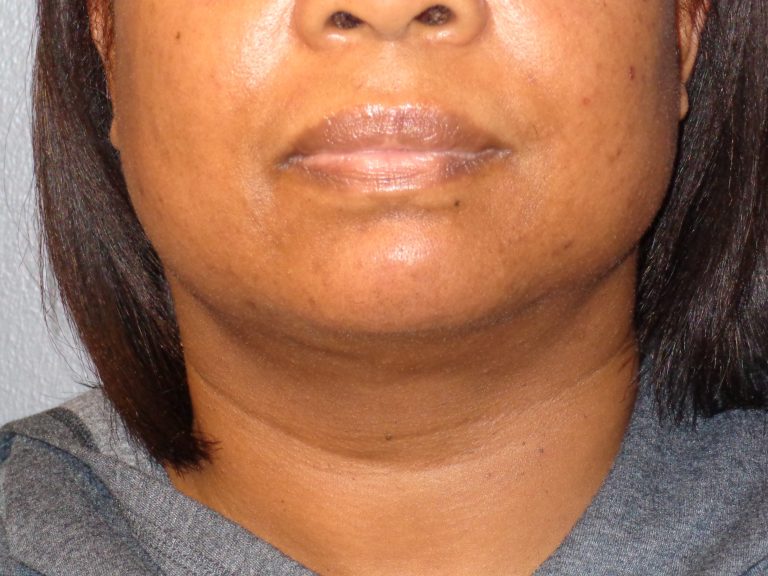
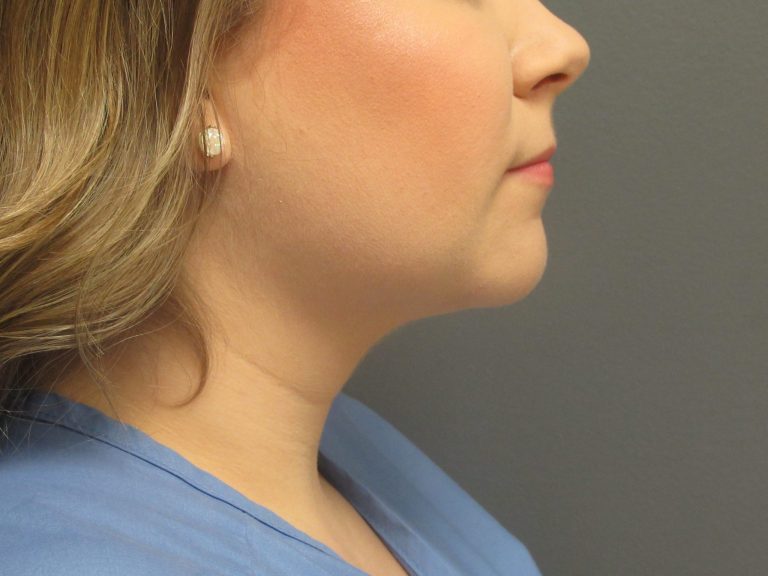
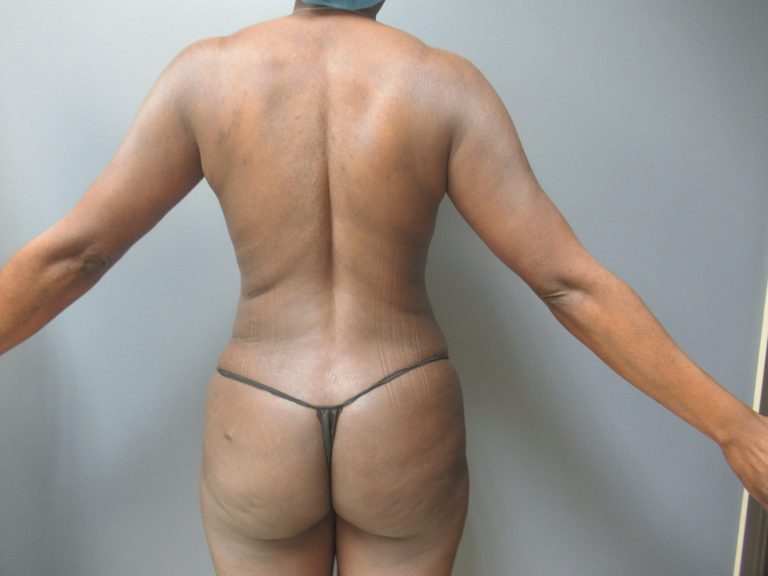
Photo galleries are one of the most overused and misunderstood comparison tools. They can help, but only if you approach them critically. A beautiful set of results does not tell you everything about consistency, revision rates, or patient selection.
Look for patients who resemble you in build, age range, fat distribution, and skin quality. A gallery full of naturally fit patients with excellent skin tone may not tell you much if your concern is postpartum abdominal fullness with laxity. You also want to see more than one body area and more than one type of case complexity.
Pay attention to angle, posture, lighting, and timing. Photos taken too early may not reflect the final contour, while photos taken under heavily optimized conditions can exaggerate improvement. If every after photo features tighter posture, better lighting, and different clothing placement, you are not making a clean comparison.
A stronger gallery usually shows consistency. The results may vary, as they should, but the aesthetic judgment feels stable. The contours look proportionate rather than aggressively overdone. The surgeon seems to favor natural shape, not just maximum extraction. That is often what ages best.
Pricing can reveal more than cost
Every patient asks about cost, and that is reasonable. Liposuction is elective, and budgeting matters. The mistake is using price as the main filter before you understand what is included and why it varies.
Clinics may quote differently. One quote may include surgeon’s fee, anesthesia, facility costs, compression garments, routine follow-ups, and postoperative supplies. Another may look cheaper because some of those items are billed separately. Revision policies also differ. So do charges for additional treated areas, pathology if relevant, and after-hours care.
Price can also reflect case complexity. Treating a small area in a healthy patient is not the same as addressing multiple zones or a revision case with scar tissue from prior procedures. If one clinic quotes dramatically less than others for what appears to be the same surgery, ask for details rather than assuming you found a bargain.
Here are the questions worth asking when comparing quotes:
- What exactly is included in the total fee?
- Who provides anesthesia, and is that billed separately?
- How many follow-up visits are included?
- What happens financially if a revision becomes necessary?
- Are garments, medications, or postoperative treatments extra?
These questions often do more to clarify value than the quoted number itself. Sometimes the higher fee comes with better continuity, stronger facility standards, or a surgeon with deeper body contouring experience. Sometimes it does not. The point is to compare complete packages, not headline prices.
Reviews help most when you read between the lines
Online reviews can be informative, but they are easy to misuse. A string of five-star ratings does not automatically mean better surgical care, and a handful of lower ratings does not always signal poor quality. Reviews reflect expectations, communication, scheduling, billing, personality fit, and sometimes outcomes. They rarely tell the whole story.
What matters is the pattern. If multiple patients mention feeling rushed, difficulty reaching the office after surgery, unexpected fees, or pressure during consultations, take that seriously. If many reviews mention organized staff, realistic counseling, smooth recovery guidance, and long-term satisfaction, that is more useful than generic praise like “amazing place.”
Also watch for specificity. Genuine reviews usually include practical detail. They mention the timing of appointments, how questions were handled, how bruising and swelling were discussed, whether the surgeon set expectations accurately, and how the office responded when concerns came up. Vague, overly glowing language without details can be hard to interpret.
A clinic’s response style tells you something too. Professional, measured responses suggest stability. Defensive or combative replies can point to problems in how conflict is handled behind the scenes.
Do not overlook revision experience
A surprisingly useful comparison point is whether the surgeon discusses revision work comfortably and realistically. Revision liposuction is more demanding than primary liposuction because scar tissue, contour irregularities, and altered anatomy make correction less predictable. A surgeon who manages these cases often has a more nuanced understanding of contour, restraint, and problem prevention.
That does not mean you need a revision specialist for a straightforward first procedure. It does mean that a surgeon who understands what goes wrong in liposuction may plan more carefully from the start. They may be more cautious about over-resection, more honest about asymmetry, and more disciplined about setting boundaries when a patient requests too much removal.
If you ask how the clinic handles dissatisfaction or uneven healing, the answer should be calm and practical. Every experienced surgeon has seen swelling patterns, scar firmness, delayed settling, and the occasional contour issue. You want to hear that they follow healing closely, distinguish between temporary irregularity and true residual concern, and do not rush into promises.
Local context matters in Farmington Hills
When patients search for Liposuction Farmington Hills, they are often balancing convenience with quality. Proximity helps, especially for follow-up visits, early postoperative checks, and the simple comfort of not traveling far after surgery. That said, convenience should not outrank surgeon fit and safety.
Farmington Hills patients often compare clinics across nearby communities as well, which is sensible. A wider search can help you calibrate the market. You may notice differences in consultation style, office transparency, and body contouring focus even within a short driving radius. Sometimes the right clinic is close to home. Sometimes the stronger option is twenty or thirty minutes Liposuction Farmington HIlls farther away.
Local reputation can be meaningful, especially when it comes from referring physicians, nurses, aestheticians, or former patients who describe the full experience rather than just the result. Quiet professional respect often tells you more than flashy local advertising.
Ask questions that reveal judgment
Not all consultation questions are equally useful. Some invite rehearsed answers. Others expose how the surgeon thinks. The best questions do not ask for perfection. They ask for judgment.
A few examples work especially well. Ask what kind of result they think is realistic for your body. Ask what limitations they see. Ask what result would make them advise against surgery for now. Ask how often they recommend a different procedure instead of liposuction. Ask what the recovery tends to feel like after the first seventy-two hours, not just on day one. These questions tend to move the conversation away from sales language and toward actual clinical reasoning.
This is also the time to ask about contour irregularities, numbness, swelling duration, and when final results are typically assessed. Patients often underestimate how long swelling can linger. Good clinics explain that visible improvement may come fairly early, while final refinement can take months. If someone suggests your final shape will be obvious almost immediately, that is oversimplified at best.
A good clinic will sometimes tell you no
One of the most reassuring signs in aesthetic surgery is a surgeon who is willing to decline, postpone, or redirect treatment. This might happen if your weight has been fluctuating, if your expectations are unrealistic, if you have untreated medical issues, or if your anatomy points toward a different procedure.
Patients do not always appreciate this in the moment. It can feel disappointing, especially after building up hope. But from a clinical standpoint, restraint is often what protects outcomes. A surgeon who agrees to every request may not be serving patients well.
I have seen the difference this makes in real decision-making. One patient might come in wanting aggressive abdominal liposuction after recent weight loss, convinced it will tighten loose skin. A careful surgeon explains why it may leave her flatter but still loose, and recommends waiting or considering skin excision if the goal is a firmer contour. Another clinic might simply quote the surgery and let the disappointment show up later. Those two consultations can sound equally confident at first. Only one is actually useful.
Compare follow-up structure before you book
The surgical day gets most of the attention, but follow-up is where many patients decide whether a clinic truly supports them. Liposuction recovery can be straightforward, yet even routine healing raises questions. Compression can feel awkward. Swelling shifts. One side may soften faster than the other. Tiny firmness areas can appear and fade over time. Good follow-up keeps normal healing from becoming panic.
Before you commit, find out what the first month looks like. You do not need a rigid script, but you should know when you will be seen, whom you can call, and whether the office has a clear process for urgent concerns. Some practices are excellent in the consultation stage and surprisingly hard to reach once the procedure is done.
A dependable clinic usually has these basics in place:
- A scheduled early postoperative check within the first several days
- Clear instructions for compression, activity, and showering
- A direct way to reach a clinical team member with concerns
- Planned follow-up through the swelling phase, not just one quick visit
- Honest guidance about when healing is normal versus when it needs attention
That framework does not guarantee a perfect experience, but it dramatically improves the odds that small issues stay small.
Trust the clinic that gives you the clearest picture
When people compare cosmetic clinics, they often hope for a simple winner, the nicest office, the best photos, the lowest quote, the most charismatic surgeon. Real comparison is less tidy. The best choice is usually the clinic that gives you the clearest, most grounded picture of what liposuction can achieve for your body, how it will be done, what recovery will require, and where the limits are.
That clarity is valuable because liposuction is a procedure of nuance. A few millimeters too much or too little can change the contour. Skin behavior matters. Healing takes patience. Satisfaction depends on both technical skill and expectation management. Clinics that respect those realities tend to communicate differently. They are less theatrical. More specific. More willing to explain trade-offs.
If you are evaluating Liposuction Farmington Hills providers, compare them the way you would compare any important surgical decision, by looking past the polished surface and paying attention to judgment, transparency, consistency, and support. The right clinic will not just make you feel excited. It will make you feel informed.
Aesthetic Plastic Surgery & Laser Center, Michelle Hardaway M.D.
27920 Orchard Lake Rd
Farmington Hills, MI 48334
(248) 221-1957
FAQ About Liposuction Farmington Hills
What disqualifies you from getting liposuction in Farmington Hills?
A surgeon may recommend postponing or avoiding liposuction if a health condition, medication, or nicotine use raises the risk of surgery or poor healing. A consultation is needed to assess your medical history and whether the procedure fits your goals.
Can liposuction remove 20 pounds?
Liposuction is a body contouring procedure for localized fat. It is not a weight loss treatment, and a specific number of pounds is not a safe or useful target. The surgeon determines how much can be removed safely for each patient.
What are the risks of liposuction?
Risks include infection, changes in sensation, uneven contours, and complications from anesthesia or blood clots. A plastic surgeon can explain which risks apply to you and what to expect during recovery.